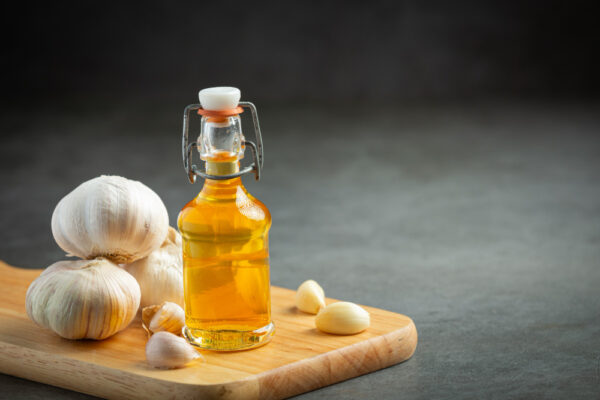





What Is Wood Pressed Oil? Benefits, Process & Why It’s Making a Comeback
In recent years, many households across India have started paying closer attention to the quality of the ingredients they use in everyday cooking. Among the growing trends in natural foods, wood pressed oil has gained significant attention. Once a staple in traditional kitchens, this method of oil extraction is now making a strong comeback as people look for healthier and more authentic alternatives to highly processed cooking oils.
But what exactly is wood pressed oil, and why are so many consumers choosing it today?
Understanding how wood pressed oil is made and how it differs from modern industrial oils can help you appreciate why this traditional method is being rediscovered by modern kitchens.
What Is Wood Pressed Oil?
Wood pressed oil is extracted using a traditional oil extraction technique known as the ghani method. In this process, seeds such as mustard, sesame, coconut, or groundnut are crushed slowly using a wooden press to release their natural oil.
Unlike modern industrial extraction methods that rely on high-speed machines and chemical solvents, the wood pressing technique focuses on slow, natural extraction.
Because the seeds are crushed gradually and without excessive heat, the oil retains much of its natural aroma, flavor, and nutritional profile.
This traditional method has been used in India for centuries and was once the primary way cooking oils were produced before the rise of industrial refining.
The Traditional Ghani Oil Extraction Process
The term “ghani” refers to a traditional oil press made primarily of wood. Historically, these presses were operated manually or with the help of animals that slowly rotated the pressing mechanism.
Today, modern versions of ghani machines are used while still preserving the core principles of the traditional process.
Step 1: Seed Selection
The process begins with carefully selecting high-quality oil seeds. These may include:
- Mustard seeds
- Sesame seeds
- Groundnuts
- Coconut kernels
The quality of the seeds plays a crucial role in determining the final quality of the oil.
Step 2: Slow Crushing in Wooden Press
The seeds are placed inside a wooden chamber where a wooden pestle slowly crushes them. Because the process operates at a slow speed, it generates minimal heat.
This slow pressing is what differentiates wood pressed oils from industrially extracted oils.
Step 3: Natural Oil Release
As the seeds are crushed, oil gradually begins to separate from the seed pulp. The oil is then collected and filtered naturally to remove seed particles.
Unlike refined oils, this process does not involve chemical solvents or intensive heat treatment.
The result is oil that remains closer to its natural form.
Why Temperature Matters in Oil Extraction
One of the most important factors in oil extraction is temperature control.
High temperatures can alter the natural structure of certain nutrients present in seeds. Industrial oil extraction methods often use heat to increase oil yield and speed up production.
However, this heat can affect the natural composition of the oil.
The ghani extraction process avoids this issue by keeping the temperature relatively low. Because the seeds are crushed slowly, the oil is extracted gently without damaging many of its naturally occurring compounds.
This is one of the reasons why wood pressed oils are widely appreciated for their natural flavor and traditional authenticity.
Wood Pressed Oil vs Refined Oil
Understanding the difference between wood pressed oil and refined oil helps explain why traditional oils are becoming popular again.
Processing Method
Refined oils go through multiple industrial steps including chemical treatment, bleaching, and deodorization. These processes are designed to produce oil that is clear, uniform, and long-lasting.
Wood pressed oil, in contrast, is extracted using mechanical pressure without chemical solvents.
Flavor and Aroma
Refined oils are typically neutral in taste because the refining process removes natural flavor compounds.
Wood pressed oils retain the natural aroma and taste of the seeds, which can enhance the flavor of food.
Nutrient Retention
Because refined oils undergo intensive processing, some natural compounds may be reduced during production.
Wood pressed oils are produced through minimal processing, helping preserve more of the oil’s natural characteristics.
Wood Pressed Oil Benefits
Many households prefer wood pressed oils for several reasons related to quality, taste, and traditional food practices.
Natural Extraction Method
Wood pressing relies on mechanical crushing rather than chemical extraction. This makes the process simpler and closer to traditional food preparation techniques.
Rich Natural Flavor
Since the oil is not heavily refined, it maintains the original flavor of the seeds. This can enhance the taste of traditional dishes and home-cooked meals.
Minimal Processing
Wood pressed oils undergo fewer processing steps compared to industrial oils. This appeals to consumers who prefer ingredients that are closer to their natural form.
Traditional Food Heritage
Using wood pressed oils reconnects modern kitchens with culinary traditions that have existed for generations.
For many families, this method represents a return to authentic cooking practices.
Why Wood Pressed Oils Are Making a Comeback
Over the past decade, there has been a noticeable shift toward cleaner and more natural food choices.
Consumers today are more informed about food production processes. Many people are actively looking for ingredients that are less processed and more transparent in their origin.
This growing awareness has contributed to the renewed interest in traditional oil extraction methods.
Several factors are driving the comeback of wood pressed oils:
Growing Health Awareness
People are becoming more conscious about what they eat and how their food is produced. Oils that follow traditional extraction methods often attract health-conscious consumers.
Interest in Traditional Foods
Traditional Indian cooking practices are being rediscovered as people recognize the value of long-established food wisdom.
Demand for Natural Ingredients
Modern consumers increasingly prefer products with minimal processing and clear ingredient sourcing.
Trust in Authentic Production Methods
The ghani extraction process represents a slower, more transparent way of producing cooking oil.
How Wood Pressed Oils Fit into Modern Kitchens
Despite their traditional origins, wood pressed oils are perfectly suited for modern cooking.
They can be used for:
- Everyday cooking
- Traditional Indian recipes
- Light sautéing
- Salad dressings
Their natural flavor often complements home-cooked meals and traditional dishes particularly well.
Rediscovering Traditional Food Wisdom
Food traditions often evolve over generations through observation and experience. The wood pressing technique is a perfect example of how traditional knowledge can remain relevant even in modern times.
As more consumers become interested in natural ingredients and transparent food production, wood pressed oils are gaining recognition once again.
By choosing oils that are produced through traditional oil extraction methods, households can reconnect with a simpler and more authentic approach to cooking.
For many families, this shift is not just about choosing a different cooking oil—it is about embracing a more thoughtful and natural way of preparing food every day.